Prince George's County, MD · ZIP 20721
Window Replacement in Lake Arbor, MD
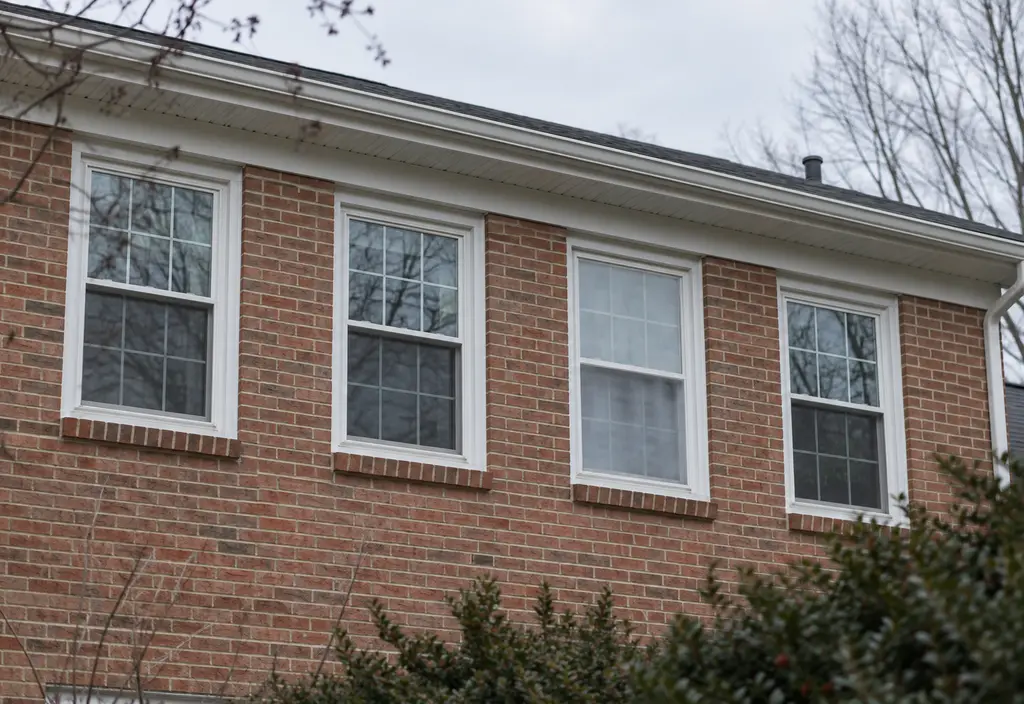
Most of Lake Arbor went up in the 1990s, which puts the original windows at somewhere near thirty years old. What goes first is the seal between the panes, and it rarely goes alone. Count the openings, then call and say how many.
No obligation for the call.
What wears out first in a house this age
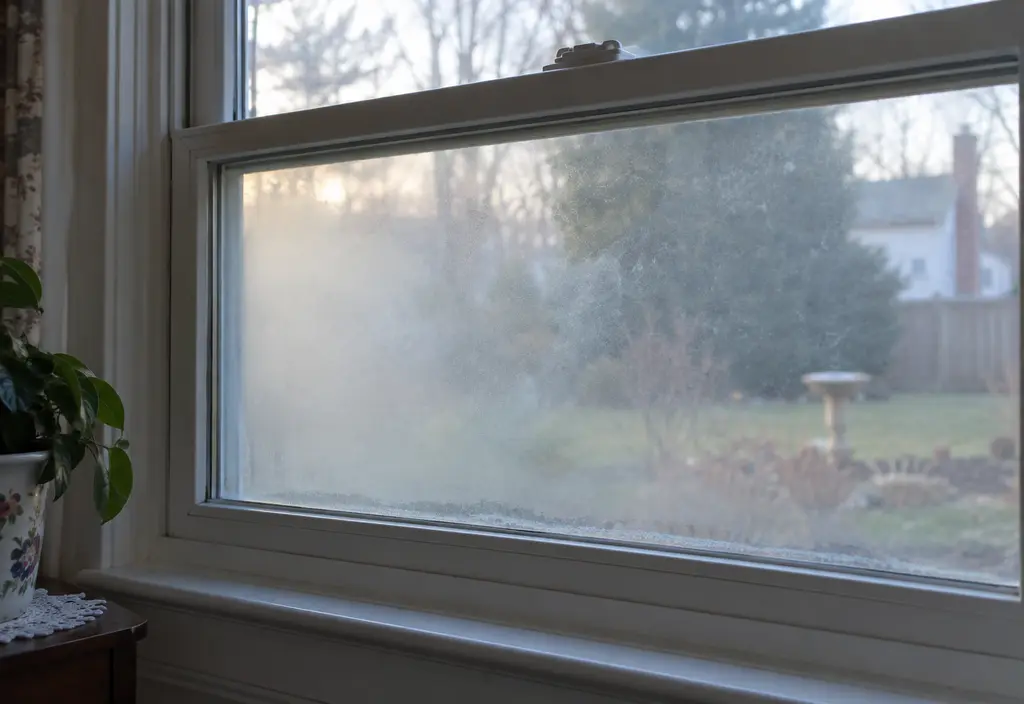
A sealed unit that has lost its seal fogs from the inside, and wiping the glass does nothing because the moisture is sealed in. What matters in Lake Arbor is that it rarely appears alone: the windows went in on the same day, they have aged the same number of winters, and the second and third usually follow within a season or two.
The balance inside the jamb is a spring, and springs relax. When one sash drifts down on its own, the others in the house are the same age and the same make. This is the point where the conversation stops being about one opening.
Air moving past the sash rather than through the wall points at the seal and the closing hardware rather than at insulation. A house built in the 1990s in Prince George's County was framed and sheathed to a standard that has not changed much; the windows in it are the part that wore out.
Counting the openings
A detached house in Lake Arbor usually comes out between twelve and twenty openings once the basement and the stairwell are counted; a townhouse runs lower, and the front elevation carries most of them. The number matters because it is asked early, and because two openings is where a replacement conversation starts at all.
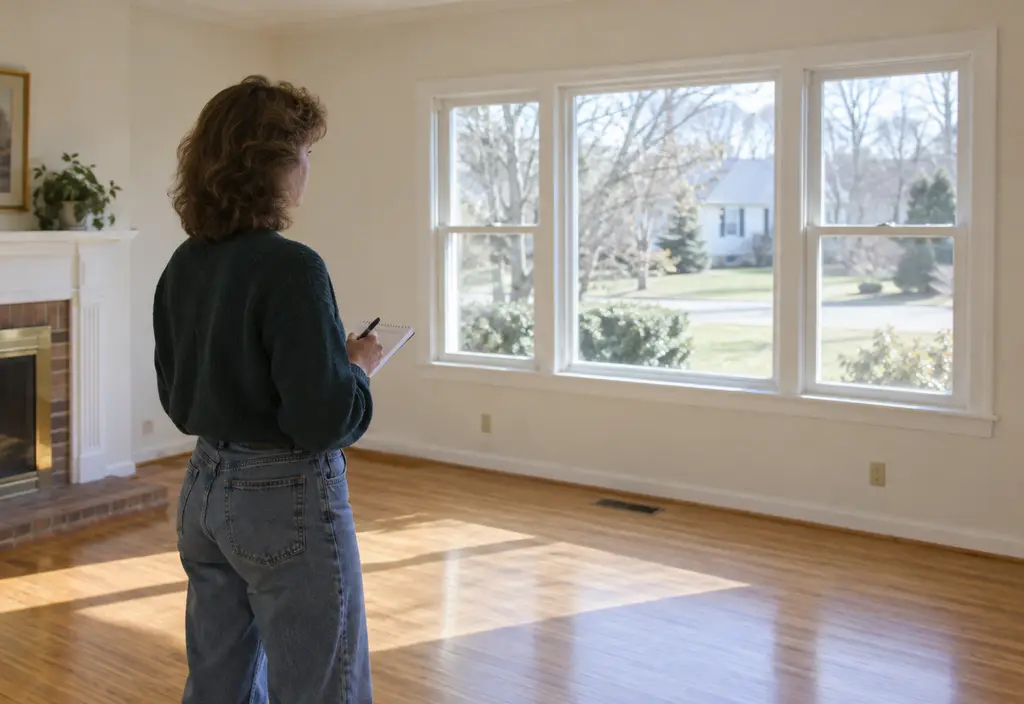
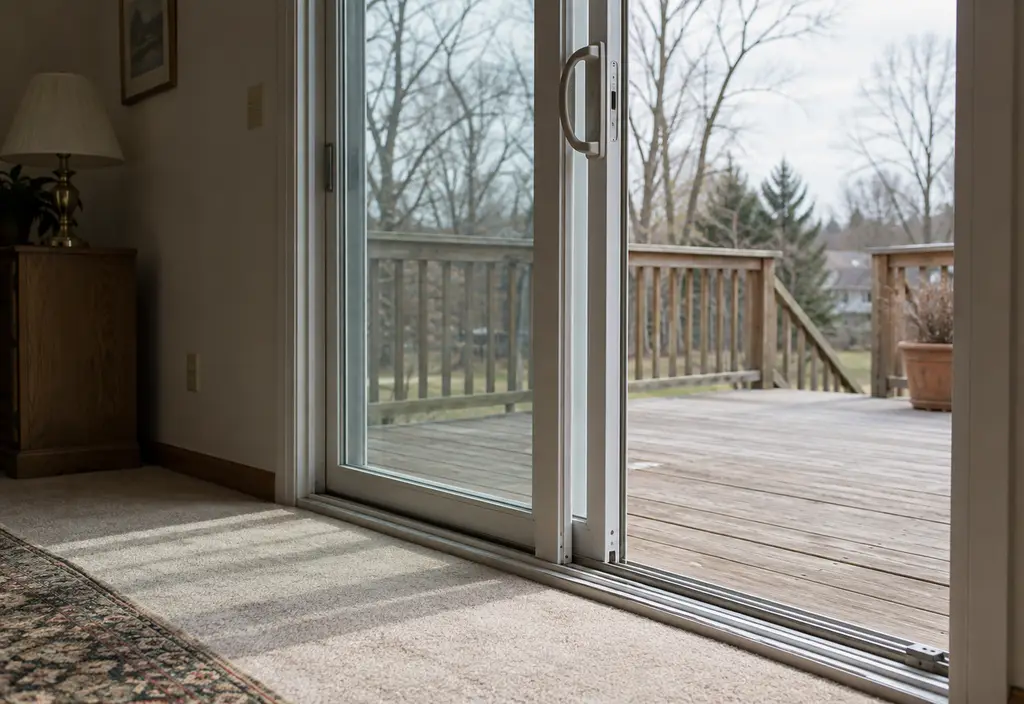
Walk the house once and write the number down. Count every opening that has glass in it, count a bay as the number of sashes it holds rather than as one, and note the patio door separately — it is ordered separately and it is priced separately.
How the work gets arranged
What to have ready when you call
Have this to hand
- The number of openings, counted room by room.
- Roughly what year the house was built — for most of Lake Arbor that is the middle to late 1990s.
- Whether a sliding patio door is going with them.
- Whether anything opens onto a deck, a porch roof or a stairwell, because access changes the work.
- Your ZIP code, and whether you own the house.
Worth asking the contractor
- The MHIC license number, and the exact name it is held under — a trading name and the licensed business are frequently not the same.
- Whether the price covers full-frame replacement or an insert set into the existing frame, because those are different jobs behind the same word.
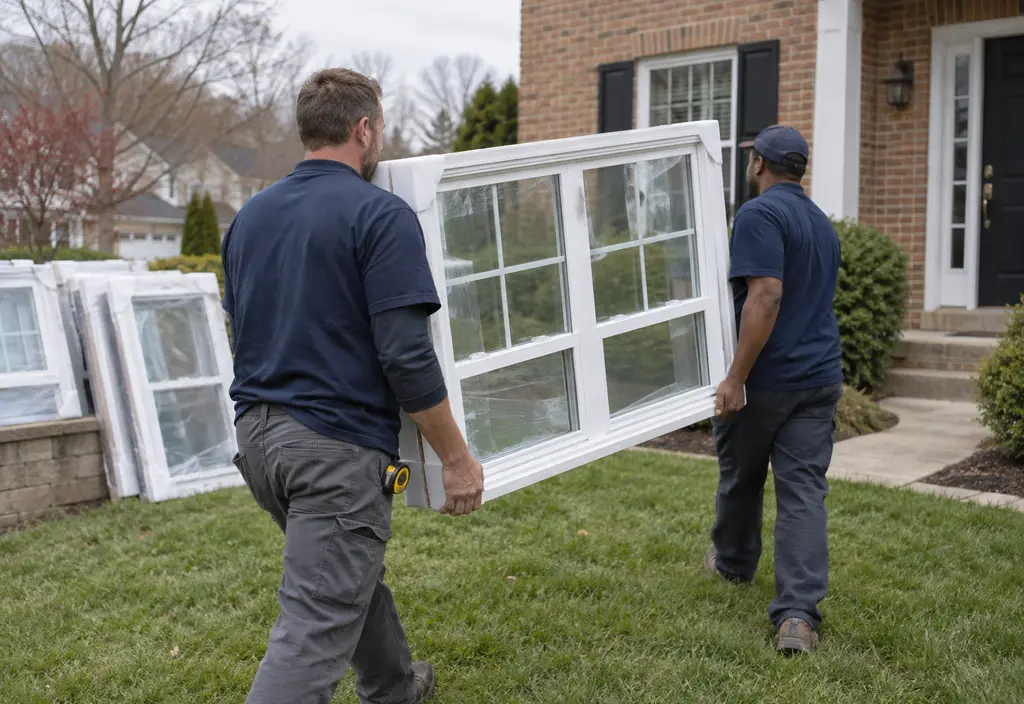
- What happens to the interior trim and the exterior capping, and whether putting them back is included.
- Who disposes of the old units, and whether that is a line on the invoice.
- What the deposit is, and when the balance falls due.
- What the written warranty covers on the glass, on the frame and on the labor, and who honours each.
Check the contractor before the deposit, not after
In Maryland, work of this kind is licensed by the Maryland Home Improvement Commission, and the register is public and free to search. Ask for the number and the name it is held under, then look it up — a trading name on a van and the licensed business behind it are frequently not the same entity.
Two figures are worth knowing before anything is signed. A contractor may not take more than one third of the contract price as a deposit, and may not take any payment at all before the contract is signed. The contract itself has to be in writing.
The rest of the decision



Have the number of openings ready. Call to check which contractors are taking work in your ZIP code.
Call Now — (888) 240-2098