Lake Arbor, MD
When the set has reached the end rather than the individual window
A window can have a fault, and a window can be worn out. They look similar from indoors and they lead to entirely different conversations. What decides it is usually not the window in front of you — it is how old the rest of them are.
No obligation for the call.
The line, stated plainly
A fault is a part that has stopped working while everything around it is sound. One latch, one balance, one sealed unit in a house whose windows are twelve years old.
Wear is the whole assembly arriving at the end of its service life together. The seals go, the balances relax, the weatherstripping hardens, and the vinyl loses the flexibility it had. Nothing is dramatically broken; everything is tired.
The first is a repair question. The second is a replacement question, and no amount of attention to individual parts changes the answer.
Why houses here reach that line together
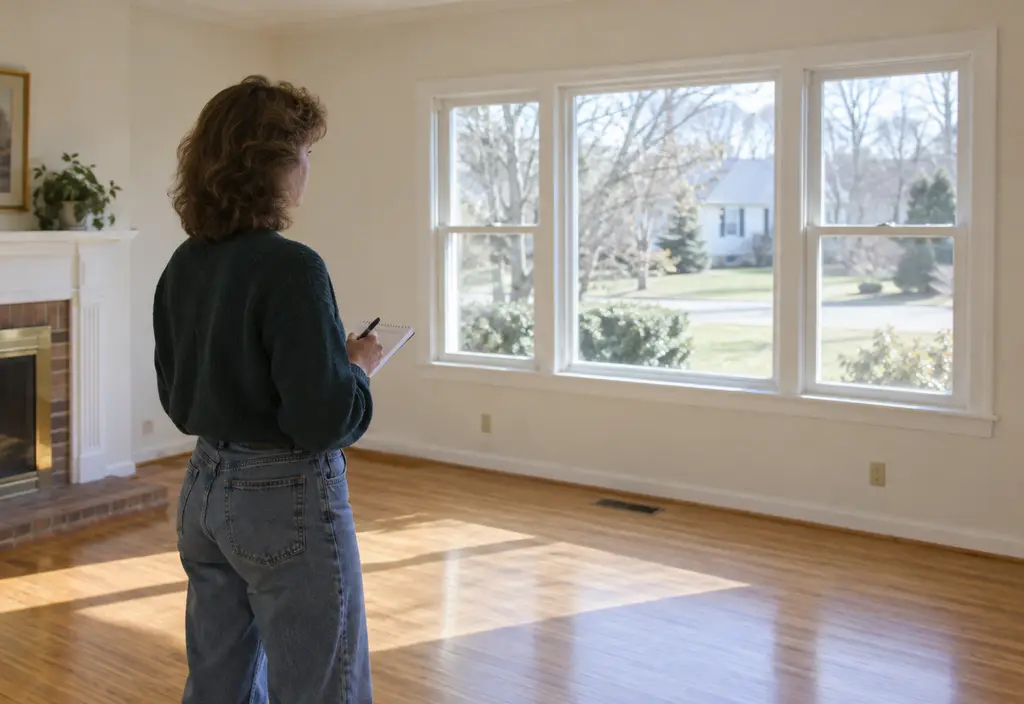
Lake Arbor is largely 1990s housing, and that shapes the decision more than anything about any one window.
Original units, one installation. They were fitted together, from one production run, and have taken the same thirty-odd years of weather.
Builder-grade vinyl was the standard specification. It was sound work for its time. It was also the economical option in a new-build package, and thirty years is a fair life for it.
So the failures cluster. Not one window this year and another in a decade, but several inside two or three seasons — which is exactly what people notice and mistake for bad luck.
Signs the set has arrived rather than one window failing
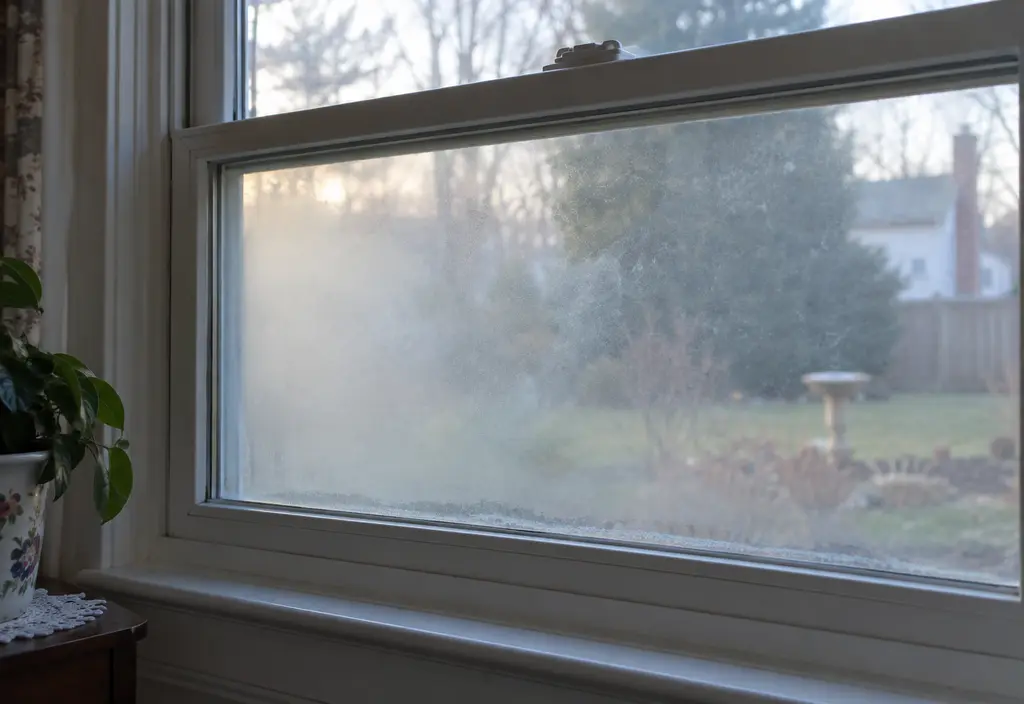
- Haze between the panes in more than one window, particularly on the south and west elevations.
- Sashes that drift down when you let go of them, in more than one room.
- Air you can feel along the sash line with the window shut and locked — as distinct from cold radiating off the glass, which is a different thing.
- Locks that need the sash pushed to engage, which usually means the sash has gone slightly out of square.
- Weatherstripping that has gone hard and no longer springs back when pressed.
Two or three of those across several openings is a set at the end of its life.
Signs it is one window, not the set
- A single fogged unit in a house whose windows are well under twenty years old.
- Damage with an obvious cause — something struck it.
- One opening behaving differently from every other, especially after work was done nearby.
That is a repair conversation, and this site is not the place for it. Nothing here is sized for a single fault.
What the age of the house changes, beyond the windows
Before 1978, the work itself has to be done differently. Federal rules cover renovation that disturbs painted surfaces in housing built before 1978, and window replacement is specifically named. The firm doing it has to be certified for that work and has to follow set containment practices.
In Lake Arbor this rarely applies. Around two per cent of the housing here predates 1980. In the older ZIP codes nearby it is a different story — in parts of Bowie more than four fifths of the stock is pre-1980 — so the answer depends on which street you are on rather than on the county.
If your house predates 1978, say so early. It changes who can do the work.
Common questions
Everything still opens and shuts. Is it too early? Working and performing are different tests. A set can operate perfectly and still have lost its sealed cavities, which is the part you paid for.
Should I do the worst ones and wait? A reasonable plan, and common. Worth asking what the price difference is between doing five now and doing sixteen at once, because the fixed part of the job gets spread either way.
Is there a point where a window is too old to be worth replacing? Not really — but there is a point where the frame is the problem rather than the glass in it, and that changes an insert into a full-frame job.
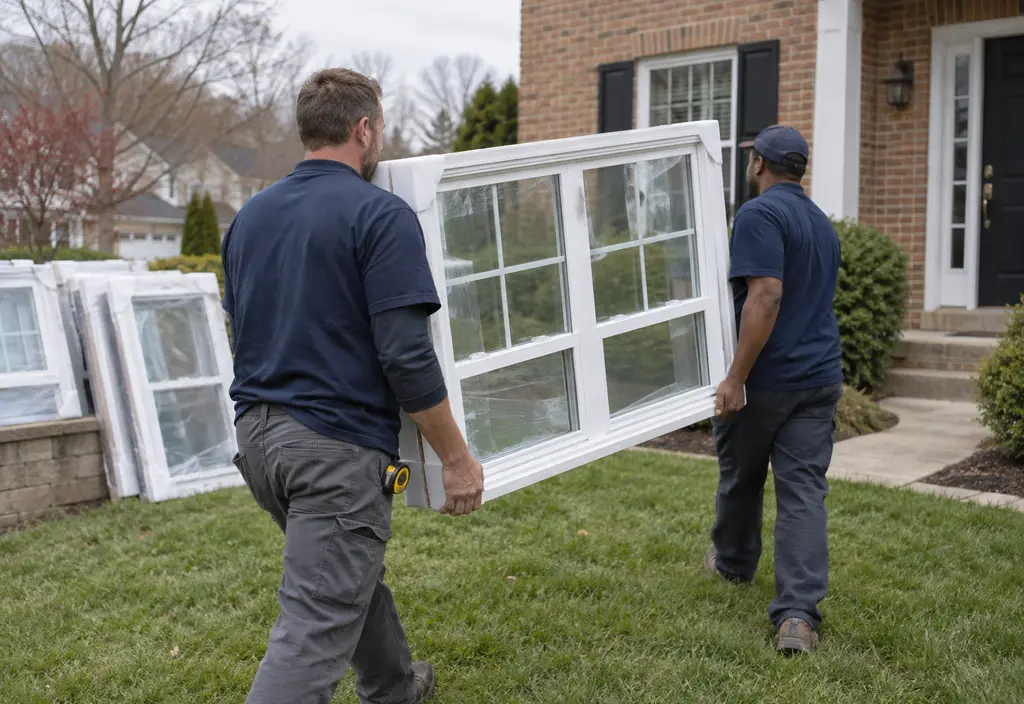
Have the number of windows ready. Call to check which contractors are taking work in your ZIP code.
(888) 240-2098The rest of the decision