Lake Arbor, MD
Haze between the panes
A sealed glass unit that has lost its seal fogs from the inside. Wiping it does nothing, because the moisture is sealed between the two panes. The useful question is not how to clear one window — it is how many others are the same age.
No obligation for the call.
What has actually happened
Two panes of glass are held apart by a spacer around the edge and sealed to it. The cavity between them is dry, and often filled with an inert gas that conducts heat less readily than air does.
When the seal fails, the cavity is no longer sealed. Air moves in and out as the glass warms and cools through the day, and it carries moisture with it. On a cold morning that moisture condenses on the inside face of the outer pane, where nothing can reach it.
The haze is the visible part. The part that matters is that the cavity no longer does what it was built to do.
Why it rarely stays at one window
This is the point that changes the decision, and it is specific to how neighborhoods like this were built.
The windows went in together. In Lake Arbor most of the housing dates to the 1990s, and in a house of that age the original units were installed over a few days by one crew, from one production run, all facing the same weather since.
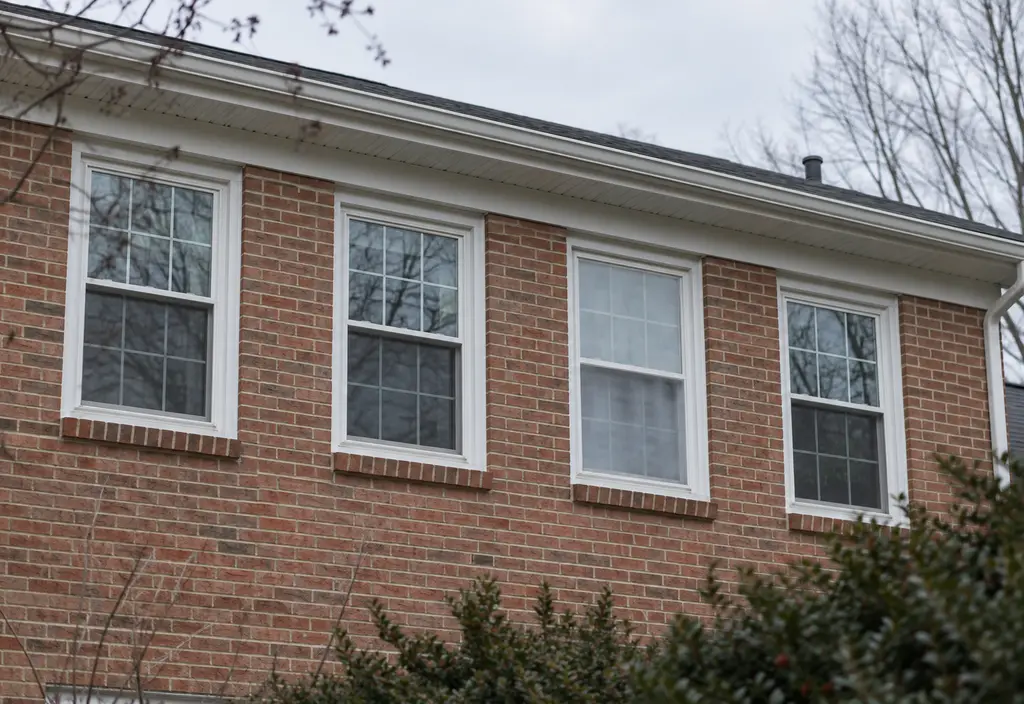
They age at the same rate, with one exception. Openings on the south and west elevations take more heat cycling than those on the north, so they tend to go first. That is why the first fogged pane is usually on the sunny side, and why the north side can still look fine while the set as a whole is on its way out.
So one fogged unit is a reading on the whole house, not an isolated fault. When the first appears at around thirty years, the second and third commonly follow within a season or two.
How to tell where your set is
Walk the house on a cold morning, before the sun is fully on the glass, and look at each unit from outside at an angle.
- Visible haze or a milky bloom between the panes: that unit has gone.
- A faint ring or a tide mark at the bottom edge of the glass: that one is going.
- Streaks that stay after cleaning both faces: mineral deposits left by water that has been cycling in the cavity for a while. That unit has been failed for some time.
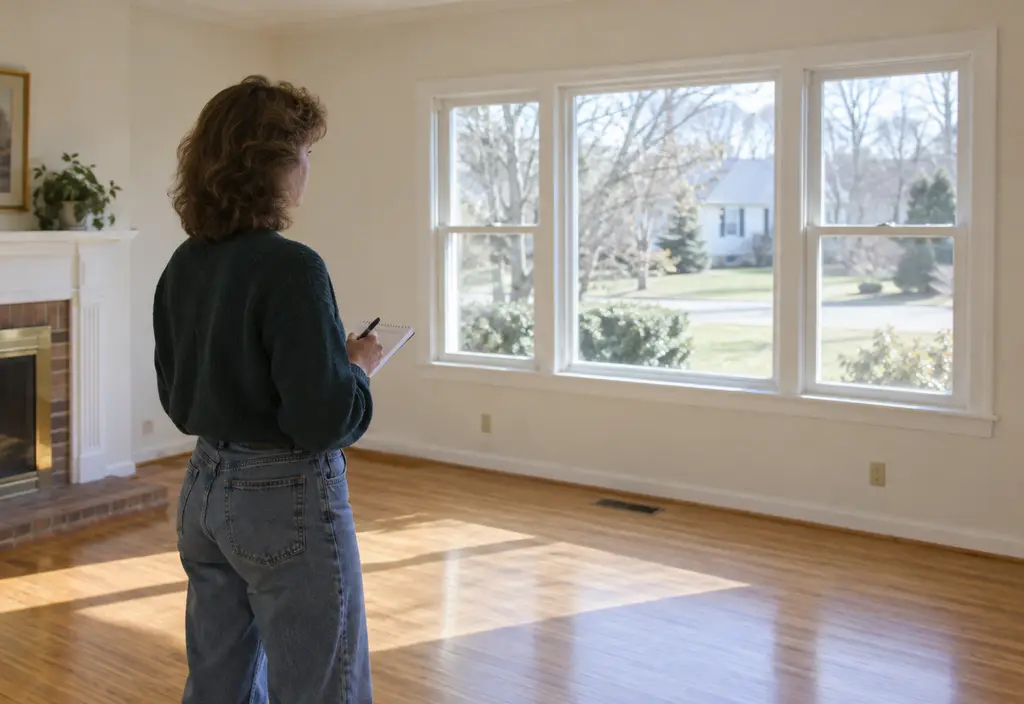
Count what you find. Three out of sixteen is a different conversation from nine out of sixteen, and the number is what makes it a conversation at all.
Replacing glass against replacing the window
Both exist, and which is sensible depends less on the glass than on the age of everything around it.
Swapping the sealed unit alone leaves the frame, the sash, the balances and the weatherstripping in place. On a young window with one failed unit, that is proportionate.
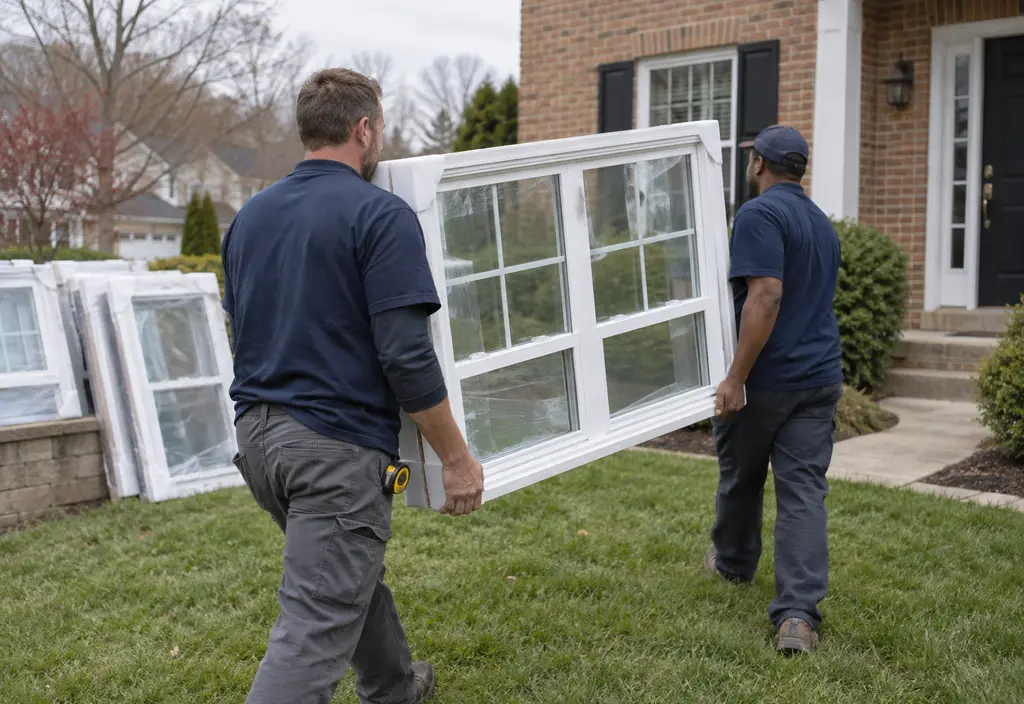
Replacing the window deals with the frame and the hardware at the same time. On a set approaching thirty years, where balances are relaxing and weatherstripping has gone hard, a new sealed unit in a tired sash solves the part you can see and leaves the parts you feel.
Worth asking about the first, and worth asking what changes if the rest of the set follows within two years.
What to have ready
- How many units are fogged, and which elevations they are on.
- How many openings there are in total.
- Roughly the year the house was built.
- Whether the frames are vinyl, wood or aluminum.
Common questions
Can it be dried out or drilled and vented? Products exist that claim to. They address the appearance rather than the cavity, and they do not restore what was sealed in there originally.
Does fogging mean the window is leaking into the house? No. The moisture is between the panes, inside the sealed unit. Water at the sill or on the interior trim is a separate matter and worth mentioning separately.
Is it worse in some rooms? It tracks sun rather than rooms. South and west elevations first, north last.
Have the number of windows ready. Call to check which contractors are taking work in your ZIP code.
(888) 240-2098The rest of the decision